
You’re out in the field. A rare bird lands on a branch 80 metres away. You raise your camera and your lens just isn’t long enough. That moment is frustrating. Every wildlife photographer knows it. The right telephoto lens changes everything. It brings distant animals close without disturbing them. It gives you sharp, detailed shots even in tricky lighting. And it opens up a whole new world of photography you simply can’t access with a standard lens.
Wildlife photography demands speed, precision, and reach. Whether you’re photographing birds in flight, mammals in open grasslands, or reptiles hiding in bushes, your lens matters more than almost anything else in your kit.
In this guide, we’ll walk you through what makes a telephoto lens great for wildlife. We’ll also look at two standout options from LK Samyang, a trusted name for photographers across Pakistan who want professional-grade glass without breaking the bank.
What Are the Best Telephoto Lenses for Wildlife Photography?
Simply put, the best telephoto lens for wildlife photography is one that combines reach, speed, and sharpness all in one reliable package.
A telephoto lens has a focal length of 70mm or more. For wildlife, photographers usually prefer 100mm and above. The longer the focal length, the more you can compress distance between you and your subject.
But focal length alone isn’t everything. You also need a fast aperture. A wide maximum aperture like f/1.8 or f/2 lets in more light. That means sharper images in low-light conditions, like early morning or dusk when animals are most active.
Autofocus performance also matters a lot. Wildlife moves fast. A lens with slow autofocus will miss the shot. The best lenses track animals smoothly and lock focus quickly even on a moving target.
Why Is a Telephoto Lens Essential for Wildlife Photography?
Let’s be honest. Wildlife doesn’t pose for you. Animals are unpredictable, fast, and usually far away. That’s exactly why a telephoto lens for wildlife photography isn’t optional, it’s essential.
Here are the key reasons every wildlife photographer needs one:
- Safe shooting distance: A telephoto lens keeps you far from animals. You don’t disturb their natural behaviour. You don’t put yourself in danger either.
- Reach without moving: You can fill your frame with a small bird or distant predator. No need to creep closer and risk scaring your subject away.
- Background compression: Telephoto lenses create beautiful, blurred backgrounds. Your subject stands out sharply. The bokeh effect looks stunning in portraits of animals.
- Low-light performance: Many telephoto lenses have wide apertures. This helps in early morning golden-hour shoots when animals are most active.
- Faster autofocus tracking: Modern telephoto lenses track moving subjects smoothly. Birds in flight, running deer, leaping cats you don’t miss a beat.
- Better image detail: A high-quality telephoto lens renders feathers, fur, and textures with stunning clarity. Every detail tells a story.
Which Telephoto Lens Is Best for Wildlife Photography?
There are many lenses on the market. But not all of them deliver real-world performance for wildlife work. You need something fast, sharp, and reliable in the field.
LK Samyang offers two exceptional options that wildlife photographers in Pakistan absolutely love. Both lenses are designed for Sony E-mount cameras, making them perfect if you’re shooting on a Sony telephoto lens compatible body. Let’s look at each one in detail.
LK Samyang AF 135mm F1.8 FE Camera Lens
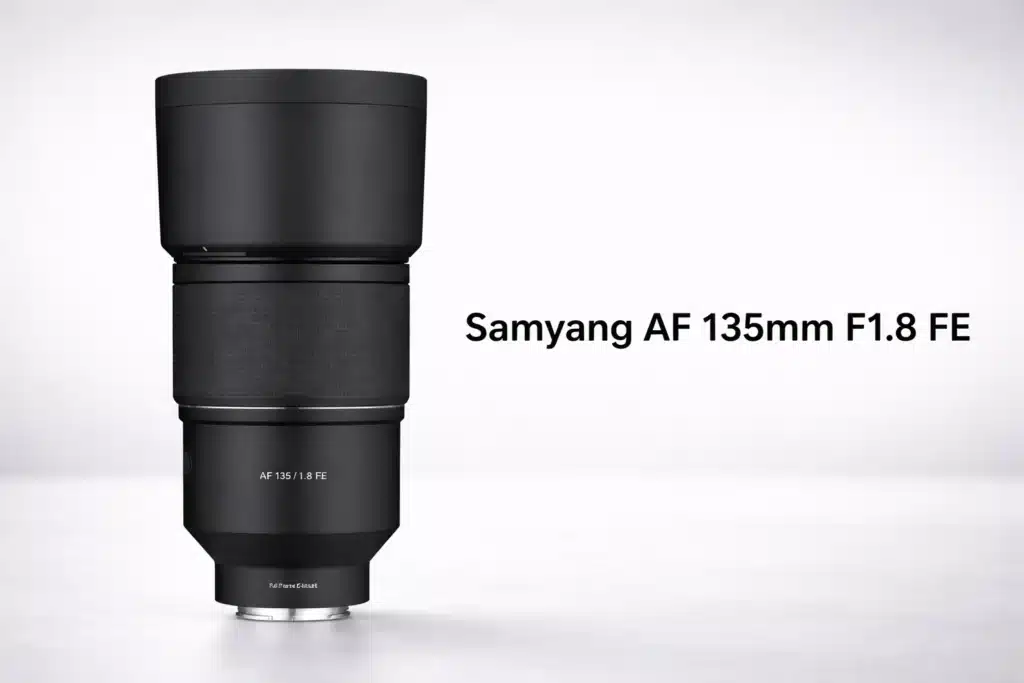
The AF 135mm F1.8 FE is a telephoto prime lens built for serious shooters. It delivers stunning sharpness at an incredibly wide aperture. For wildlife photographers who love working in natural, available light, this lens is a dream.
It’s compact for a 135mm lens, well-balanced on Sony bodies, and the autofocus is impressively fast. Whether you’re chasing birds at the golden hour or shooting mammals in open fields, this lens keeps up. It also excels in varied shooting environments and renders breathtaking portraits with remarkable depth.
- Ultra-wide f/1.8 aperture: Shoots beautifully in low light. Perfect for dawn and dusk wildlife sessions when animals are most active.
- Fast, silent autofocus: The STM motor focuses quickly and quietly. Animals won’t hear a thing. You’ll get the shot every time.
- Razor-sharp image quality: Edge-to-edge sharpness even wide open. Animal fur, feathers, and fine detail all come through stunningly.
- Smooth, creamy bokeh: The 11-blade aperture creates beautiful background blur. Your wildlife subjects pop against soft, natural backgrounds.
- Weather-sealed design: Built tough for outdoor use. Light rain or dusty conditions won’t stop you from getting that perfect shot.
Samyang AF 35-150mm F2-2.8 FE Telephoto Camera Lens
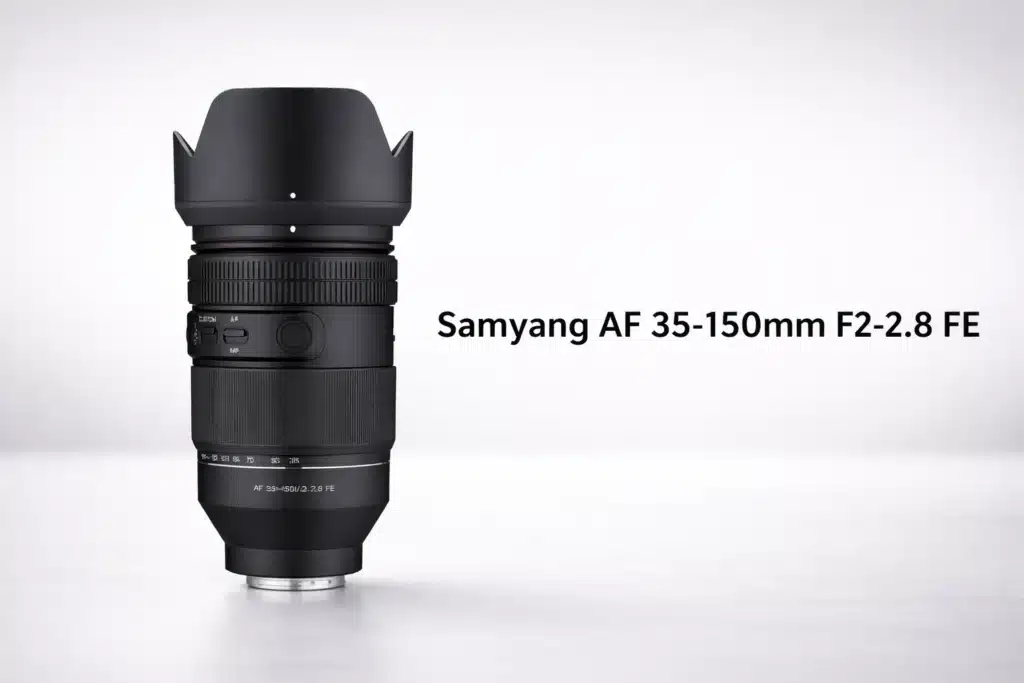
The AF 35-150mm F2-2.8 FE is a zoom lens that redefines versatility. It goes from a wide 35mm to a solid 150mm all with a stunning maximum aperture of f/2 to f/2.8. That’s almost unheard of in a zoom lens.
For wildlife photographers, this means one lens handles multiple situations. You get environmental shots at 35mm and tight portraits at 150mm. No lens swaps needed. No missed moments while changing glass in the field.
- Exceptional zoom range: 35mm to 150mm covers environmental to portrait shots. One lens handles your whole wildlife session.
- Constant fast aperture: f/2 to f/2.8 throughout the zoom range. Low-light wildlife photography becomes surprisingly easy.
- High-speed autofocus: Dual linear motors drive fast, accurate focusing. Birds in flight and fast-moving mammals are no problem at all.
- Outstanding optical quality: Special glass elements reduce chromatic aberration. Your wildlife images are sharp, contrasty, and colour-accurate.
- Versatile field companion: From wide shots to telephoto reach, this lens adapts. It’s ideal for photographers who want one reliable lens for all wildlife scenarios.
Is a Samyang Telephoto Lens Good for Wildlife Photography?
Absolutely. Many photographers across Pakistan will tell you the same. Samyang has grown into a genuinely respected lens brand. The build quality is solid. The optics are sharp. And the autofocus on modern Samyang lenses is competitive with much more expensive brands.
For Pakistani wildlife photographers, LK Samyang makes a real difference. The telephoto lens price in Pakistan through LK Samyang is honest and transparent. You get professional optical performance without the inflated import markups. LK Samyang specifically focuses on bringing budget-friendly, affordable lenses to Pakistani photographers so you don’t have to choose between quality and cost. Whether you’re a student just starting out or a seasoned photographer watching your budget, there’s a Samyang lens that fits your needs without stretching your wallet.
Many bird photographers, safari enthusiasts, and nature lovers across Lahore, Karachi, and Islamabad have already made the switch. They’re getting sharp, fast, weather-resistant lenses at prices that actually make sense for the local market.
If you’re comparing options and wondering about value, Samyang consistently delivers above expectations. It’s a smart, practical choice for serious wildlife work.
Final Thoughts
Wildlife photography is rewarding. But it demands the right gear. A quality telephoto lens isn’t a luxury, it’s a necessity for capturing animals the way they truly are.
The Samyang AF 135mm F1.8 FE and AF 35-150mm F2-2.8 FE are both exceptional choices. They’re sharp, fast, and built for real-world conditions. Whether you’re a beginner stepping up your game or an experienced shooter looking for value, LK Samyang has a lens for you.
Visit LK Samyang today. Explore both lenses, compare options, and find the perfect telephoto lens for your next wildlife adventure.
Frequently Asked Questions
What focal length works best for wildlife photography with a telephoto lens?
For most wildlife work, 300mm to 500mm is the sweet spot. It gives you enough reach to photograph distant animals without disturbing them. Shorter focal lengths like 135mm to 150mm work well for larger animals, zoo photography, and environmental wildlife shots. Match your focal length to your shooting environment.
Can beginners use a professional wildlife lens?
Yes, absolutely. Many modern professional wildlife lenses are designed with beginner-friendly autofocus systems and intuitive controls. Brands like Samyang make it easy to start shooting sharp wildlife images from day one. You don’t need years of experience. You just need the right lens and some patience in the field.
Are third-party camera lenses for wildlife reliable?
Yes, third-party camera lenses have improved dramatically. LK Samyang now offers weather sealing, fast autofocus, and sharp optics that rival original manufacturer lenses. Many professional wildlife photographers use third-party glass daily. They’re reliable, field-tested, and often significantly more affordable. Don’t overlook them when building your wildlife photography kit.
Is a 300mm lens enough for wildlife photography?
It depends on your subject. A 300mm lens works well for large animals, safari photography, and birds in open habitats. For small birds or very shy animals, you may want more reach. But for most beginners and intermediate photographers, 300mm delivers excellent results across a wide range of wildlife situations.
Should I prioritize aperture or focal length?
Both matter but for different reasons. Focal length gives you reach to photograph distant animals. Aperture gives you speed to shoot in low light and create beautiful background blur. Ideally, choose a lens with both good reach and a wide aperture. Samyang’s AF 135mm F1.8 balances both exceptionally well
Is a telephoto zoom lens better than a prime for travel wildlife photography?
A telephoto zoom lens wins for travel. It covers multiple focal lengths in one compact package. You won’t need to carry several lenses or swap glass in the field. A prime lens offers better sharpness and aperture, but zoom flexibility matters more when travelling light through unpredictable wildlife environments.
